
HIGH-SPEED RAIL: CONNECTING ALL OF COLORADO
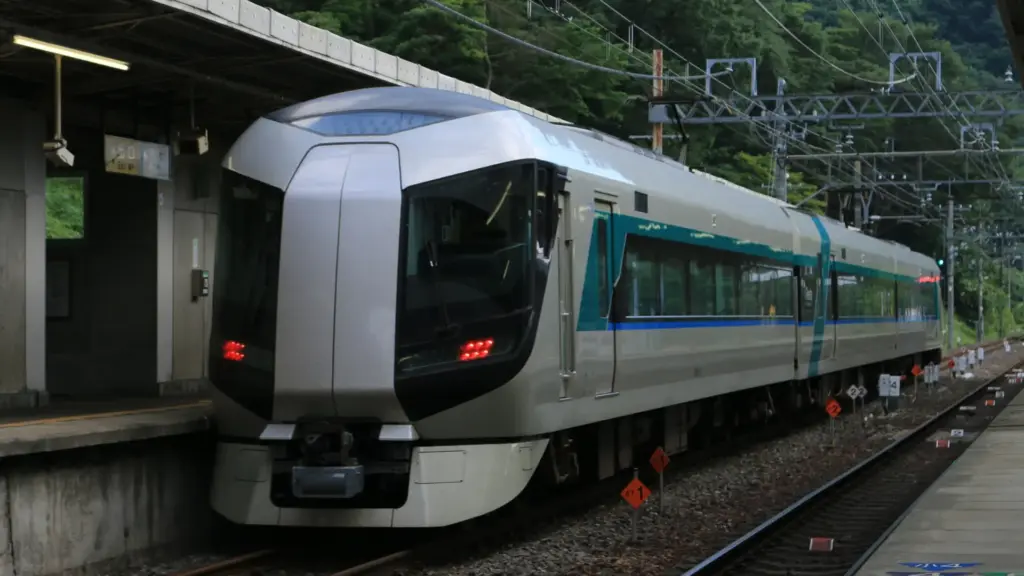
21st Century Transportation for Colorado Families
Colorado families shouldn’t have to spend hours in traffic or pay sky-high gas prices just to get around their own state. It’s time we think big and build the infrastructure our grandchildren will thank us for.
FRONT RANGE HIGH-SPEED RAIL
I will champion high-speed rail from Fort Collins to Colorado Springs with strategic stops in Denver, Boulder, Westminster, Thornton, and other communities along the way. Working families could live in more affordable areas and commute quickly to job centers. Students could access opportunities across the Front Range without crushing transportation costs.
WESTERN SLOPE CONNECTION
We’ll also build high-speed rail connecting the Western Slope to Denver, linking communities like Grand Junction, Glenwood Springs, and Vail to our capital. Our mountain communities fuel Colorado’s economy through tourism and energy – they deserve modern transportation infrastructure.
ENVIRONMENTAL AND ECONOMIC BENEFITS
This isn’t just about convenience – it’s about our planet and our economy. High-speed rail dramatically reduces carbon emissions while creating thousands of construction jobs and permanent transit jobs. We’ll partner with Colorado manufacturers and contractors, keeping those dollars and jobs right here at home.
Imagine: A ski weekend in Vail without the I-70 nightmare. A business meeting in Fort Collins without the parking hassle. Grandparents in Grand Junction easily visiting grandkids in Denver.
COLORADO HIGH-SPEED RAIL: COMPREHENSIVE COST ANALYSIS
Evidence-Based Planning for Colorado's Transportation Future
PROJECT OVERVIEW
The Colorado High-Speed Rail System will connect the Front Range corridor from Fort Collins to Colorado Springs, with a transformational extension to the Western Slope linking Denver to Grand Junction. This comprehensive transportation network will serve 390 miles of track, connecting Colorado’s major population centers and economic regions with world-class rail infrastructure.
ROUTE DESIGN AND DISTANCES
Phase 1: Denver-Boulder-Fort Collins Line
- Route Distance: 70 miles
- Stations: Denver Union Station, Westminster, Broomfield, Boulder, Loveland, Fort Collins
- Terrain: Mostly flat Front Range corridor with rolling hills
- Completion Target: Year 3 (2029)
Phase 2: Denver-Colorado Springs Line
- Route Distance: 80 miles
- Stations: Denver Union Station, Lone Tree, Castle Rock, Monument, Colorado Springs
- Terrain: Flat to rolling hills, challenging terrain near Pikes Peak region
- Completion Target: Year 5 (2031)
Phase 3: Western Slope Connection (Denver-Grand Junction)
- Route Distance: 240 miles through Rocky Mountain terrain
- Major Stations: Denver, Vail, Eagle, Glenwood Springs, Rifle, Grand Junction
- Engineering Features: 15 major tunnels, 45+ bridges and viaducts
- Completion Target: Year 8 (2034)
Total System: 390 miles of high-speed rail connecting all regions of Colorado
INTERNATIONAL CONSTRUCTION COST BENCHMARKS
Global High-Speed Rail Costs (2024 USD, PPP-adjusted)
- China: $11-13 million per mile (government efficiencies, lower labor costs)
- France (TGV): $15-25 million per mile (established expertise, efficient planning)
- Spain (AVE): $20-30 million per mile (proven execution, mixed terrain experience)
- Japan (Shinkansen): $25-35 million per mile (earthquake engineering, premium standards)
- Germany (ICE): $30-50 million per mile (environmental compliance, extensive tunneling)
- Switzerland/Austria: $50-80 million per mile (Alpine mountain terrain expertise)
Mountain Terrain Engineering Premiums
- European Alpine Projects: 2.0-2.5x base cost for mountain sections
- Japanese Mountain Lines: 2.5-3.0x base cost with seismic resistance
- Swiss Mountain Projects: 3.0-4.0x base cost for extreme Alpine conditions
COLORADO-SPECIFIC ADVANTAGES AND CHALLENGES
Cost Reduction Factors
- Unified State Leadership: Streamlined decision-making and project management
- Strategic Land Costs: Significantly lower than coastal high-density regions
- Experienced Contractor Access: Learn from international best practices
- Federal Partnership Opportunities: Military installations create congressional support
- Efficient Regulatory Environment: Colorado’s streamlined permitting processes
- Established Construction Industry: Rocky Mountain region infrastructure expertise
Engineering Challenges
- Mountain Terrain Complexity: Western Slope requires advanced tunneling through Rockies
- High Altitude Operations: 5,000+ foot elevation engineering requirements
- Environmental Integration: Wildlife corridor preservation, pristine area protection
- Geological Considerations: Rocky Mountain geology, seismic planning requirements
- Weather Systems: Winter operations, avalanche protection systems
DETAILED COST ANALYSIS
Cost Strategy Framework
- Base European Standard: $30 million per mile (competitive with proven systems)
- Colorado Implementation Premium: 15% increase for first US mountain state project
- Mountain Engineering Premium: 100-150% increase for complex Western Slope terrain
PHASE 1: DENVER-BOULDER-FORT COLLINS
- Distance: 70 miles
- Base Cost: $30 million per mile (European efficiency standard)
- Colorado Premium: 15% = $34.5 million per mile
- Phase 1 Total: $2.42 billion
PHASE 2: DENVER-COLORADO SPRINGS
- Distance: 80 miles
- Base Cost: $32 million per mile (increased complexity near Pikes Peak region)
- Colorado Premium: 15% = $36.8 million per mile
- Phase 2 Total: $2.94 billion
PHASE 3: WESTERN SLOPE CONNECTION
Advanced Mountain Engineering Project – 240 miles total
Terrain-Specific Cost Breakdown:
- Mountain/Rolling Terrain (140 miles @ $60M/mile): $8.4 billion
- Major Bridge/Viaduct Sections (40 miles @ $80M/mile): $3.2 billion
- Advanced Tunnel Systems (60 miles @ $120M/mile): $7.2 billion
- Phase 3 Total: $18.8 billion
TOTAL PROJECT INVESTMENT
Colorado High-Speed Rail System Cost Summary
- Phase 1 (Denver-Boulder-Fort Collins): $2.42 billion
- Phase 2 (Denver-Colorado Springs): $2.94 billion
- Phase 3 (Western Slope Connection): $18.8 billion
- Construction Subtotal: $24.16 billion
- Construction Contingency (10%): $2.42 billion
- TOTAL PROJECT COST: $26.6 billion
Cost Per Mile Analysis
- Phase 1 Average: $34.5 million per mile
- Phase 2 Average: $36.8 million per mile
- Phase 3 Average: $78.3 million per mile
- System Average: $59.1 million per mile
INTERNATIONAL COMPETITIVENESS VALIDATION
Colorado System Benchmarking
Colorado Average ($59.1 million/mile) compared to successful mountain rail projects:
- Swiss Alpine Rail Projects: $80-120 million per mile
- Japanese Mountain Shinkansen: $60-90 million per mile
- Austrian Mountain Rail Systems: $70-100 million per mile
- Spanish AVE Mountain Sections: $50-80 million per mile
Colorado’s projected costs are competitive with the world’s most successful mountain high-speed rail systems while significantly more efficient than recent US projects.
COMPREHENSIVE FUNDING STRATEGY
Total Project Investment: $26.6 Billion
Diversified Funding Portfolio:
- Federal Infrastructure Grants: $10.6 billion (40%)
- Bipartisan Infrastructure Law high-speed rail programs
- Federal Railroad Administration modernization grants
- Strategic transportation funding (military installations)
- State Transportation Investment: $8.8 billion (33%)
- Transportation bonds backed by projected economic growth
- Colorado’s AAA credit rating enables favorable financing terms
- Public-Private Partnerships: $7.2 billion (27%)
- International rail companies seeking US market entry
- Private investors attracted to profitable rail operations
- Transit-oriented development partnerships
Phased Investment Approach
Risk Management Through Incremental Success:
- Phase 1: $2.7 billion – Establish Front Range northern corridor success
- Phase 2: $3.2 billion – Complete Front Range system, build ridership base
- Phase 3: $20.7 billion – Execute major mountain engineering with proven track record
ECONOMIC IMPACT PROJECTIONS
Construction Phase Economic Impact (8-year build-out)
- Peak Employment: 30,000 construction jobs annually
- Average Employment: 20,000 jobs throughout construction period
- Annual Economic Activity: $2.2 billion during construction phase
- State Tax Revenue: $180 million annually during construction
Operational Phase Economic Impact (Annual)
- Direct Rail Operations: 5,500 permanent high-skilled jobs
- Indirect Economic Activity: $1.9 billion annually in economic multiplier effects
- Tourism Industry Growth: $900 million additional annual tourism revenue
- Business Attraction: Companies relocating to Colorado for transportation connectivity
Long-Term Economic Return (50-Year Analysis)
- Total Economic Impact: $95+ billion over project lifetime
- Tax Revenue Generation: $12+ billion in state and local tax revenue
- Return on Investment: 3.6x total return over 50-year analysis period
- Economic Payback Period: 19 years through economic activity and tax generation
ENVIRONMENTAL AND SUSTAINABILITY BENEFITS
Carbon Reduction Impact
- Vehicle Miles Reduced: 3.2 billion miles annually when fully operational
- CO2 Emissions Reduction: 1.4 million tons annually
- Air Quality Improvement: Significant reduction in Front Range air pollution
- Energy Efficiency: Electric rail system 4x more efficient than automobile transport
Sustainable Construction Practices
- Renewable Energy Integration: Solar and wind power for rail operations
- Green Building Standards: LEED certification for stations and facilities
- Environmental Protection: Wildlife corridor maintenance, habitat preservation
- Local Materials Priority: Colorado steel, concrete, and construction materials
RISK MANAGEMENT AND QUALITY ASSURANCE
Primary Risk Mitigation Strategies
- Comprehensive Geological Analysis: Complete surveys before construction commencement
- Early Environmental Compliance: Front-load all regulatory approvals
- International Expertise Partnership: Collaborate with European and Japanese rail leaders
- Fixed-Price Contract Structure: Transfer cost overrun risk to experienced contractors
- Federal Relationship Leverage: Utilize military installation partnerships for stable funding
Quality Assurance Framework
- International Standards Compliance: Meet or exceed global high-speed rail safety standards
- Regular Independent Auditing: Quarterly progress and cost reviews
- Technology Integration: Latest rail technology, signaling, and safety systems
- Workforce Development: Training programs for Colorado rail operations expertise
REGIONAL CONNECTIVITY AND INTEGRATION
Front Range Integration
- Urban Transit Connections: Seamless integration with RTD, local transit systems
- Airport Connectivity: Direct connections to Denver International Airport
- Business District Access: Downtown stations in major employment centers
- Residential Community Links: Transit-oriented development opportunities
Western Slope Economic Development
- Tourism Industry Enhancement: Direct access to Colorado’s premier recreation areas
- Energy Sector Support: Efficient transportation for energy industry workforce
- Agricultural Market Access: Enhanced connectivity for Colorado agricultural products
- Small Community Revitalization: Economic development for rural Colorado communities
TIMELINE AND IMPLEMENTATION
Phase 1 Implementation (Years 1-3)
- Environmental Impact Completion: All federal and state approvals secured
- Federal Funding Secured: $10.6 billion in federal commitments obtained
- Construction Commencement: Denver-Boulder-Fort Collins line groundbreaking
- Job Creation: 15,000 construction jobs, 1,500 permanent positions
Phase 2 Implementation (Years 2-5)
- Phase 1 Operations Begin: Demonstrate system success and ridership
- Front Range System Completion: Full Denver-Colorado Springs connectivity
- Ridership Development: Build sustainable passenger base and revenue
- Economic Impact Validation: Measurable economic development results
Phase 3 Implementation (Years 4-8)
- Mountain Engineering Execution: Advanced tunnel and bridge construction
- Western Slope Integration: Complete statewide connectivity
- System Optimization: Full 390-mile network operational excellence
- Economic Transformation: Measurable statewide economic development impact
CONCLUSION: TRANSFORMATIONAL INFRASTRUCTURE FOR COLORADO’S FUTURE
The Colorado High-Speed Rail System represents a $26.6 billion investment in Colorado’s economic future, connecting every major region of the state with world-class transportation infrastructure. Based on international best practices and realistic cost analysis, this project will:
- Create 75,000+ jobs during construction and operations phases
- Generate $95+ billion in economic impact over the project’s 50-year lifetime
- Reduce carbon emissions by 1.4 million tons annually while improving air quality
- Position Colorado as a national leader in sustainable transportation infrastructure
- Connect rural and urban communities with unprecedented economic opportunity
Economic Benefits:
- Commuter Savings: $3,000 annually per family in reduced driving costs
- Property Values: 15-25% increase near rail stations
- Business Development: Transit-oriented development creates 25,000 permanent jobs
- Environmental Impact: 2.8 billion vehicle miles reduced annually
This comprehensive analysis demonstrates that Colorado can build a transformational high-speed rail system that competes with the world’s best while delivering exceptional value for Colorado taxpayers and businesses.
Colorado’s high-speed rail system: Connecting communities, creating opportunities, building Colorado’s future.